About Kata gård
About Kata gård
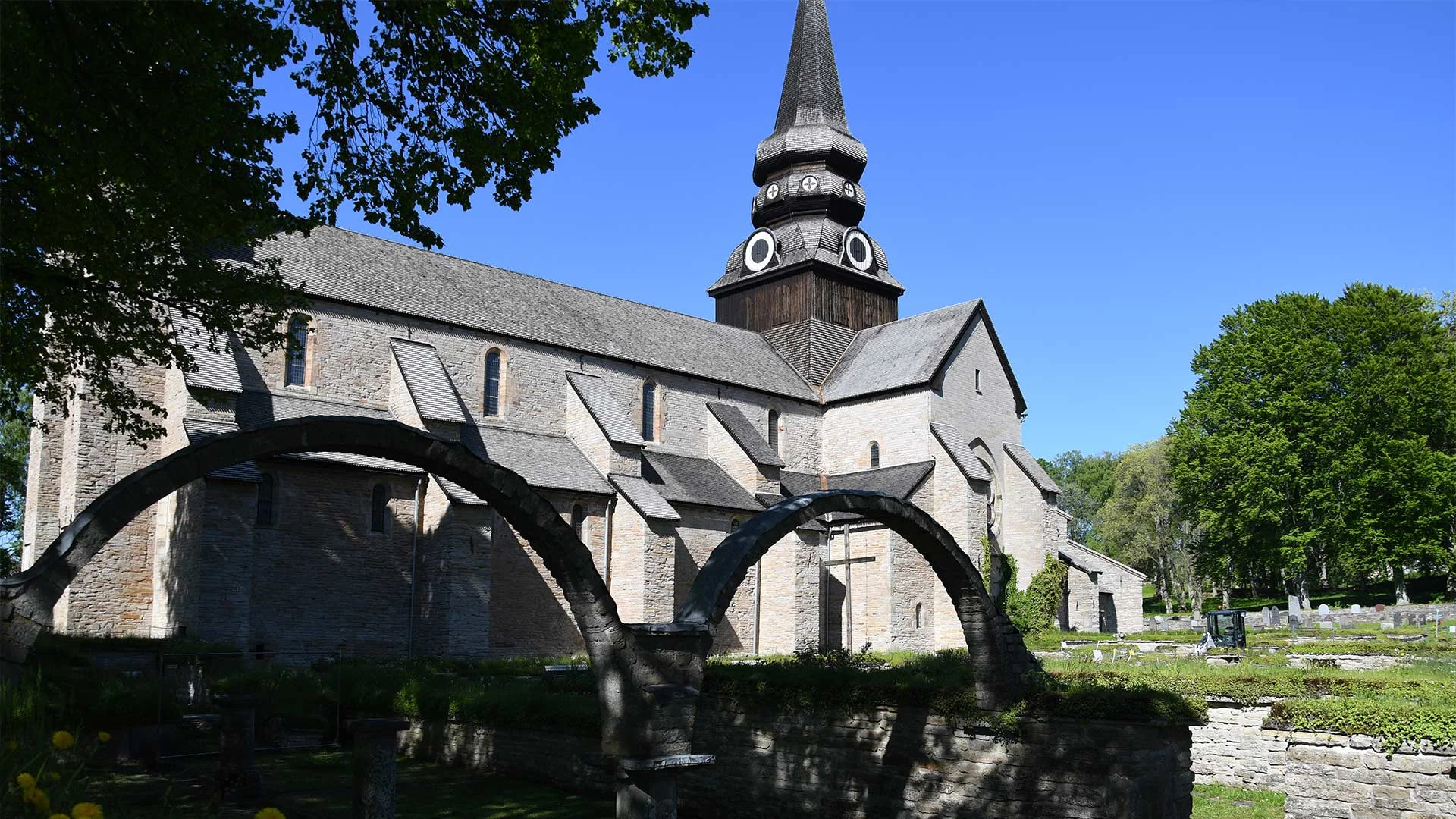
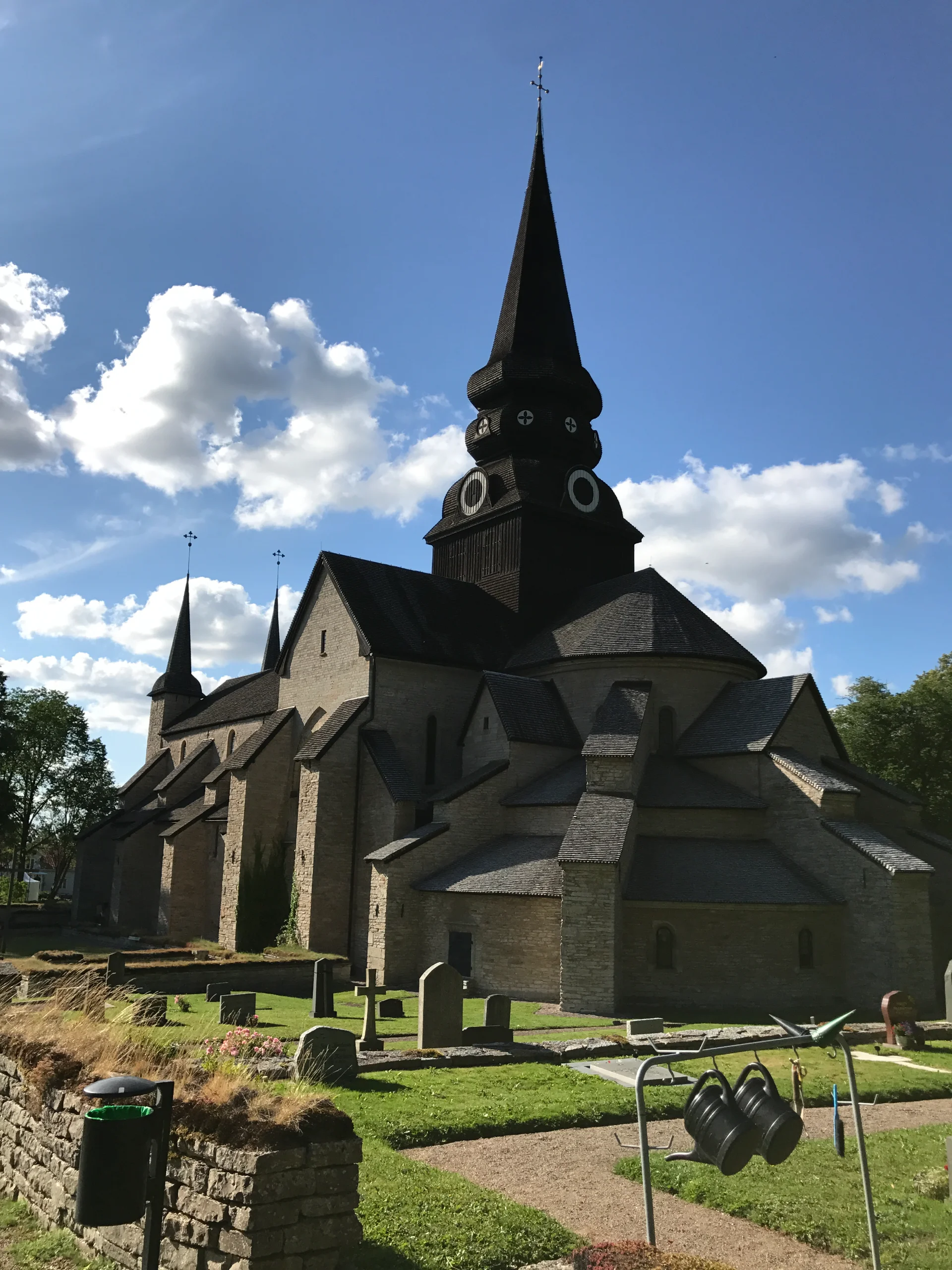
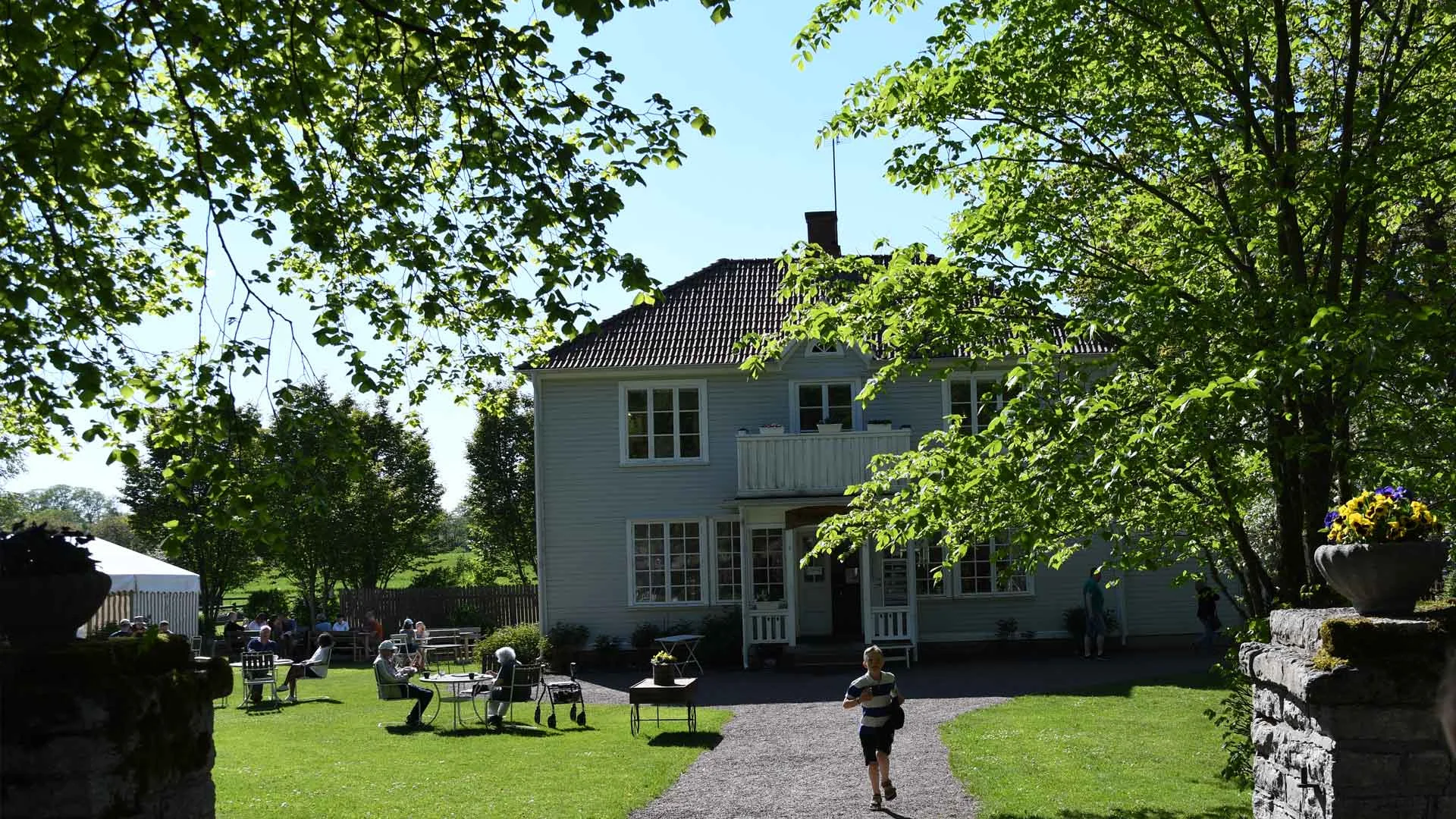
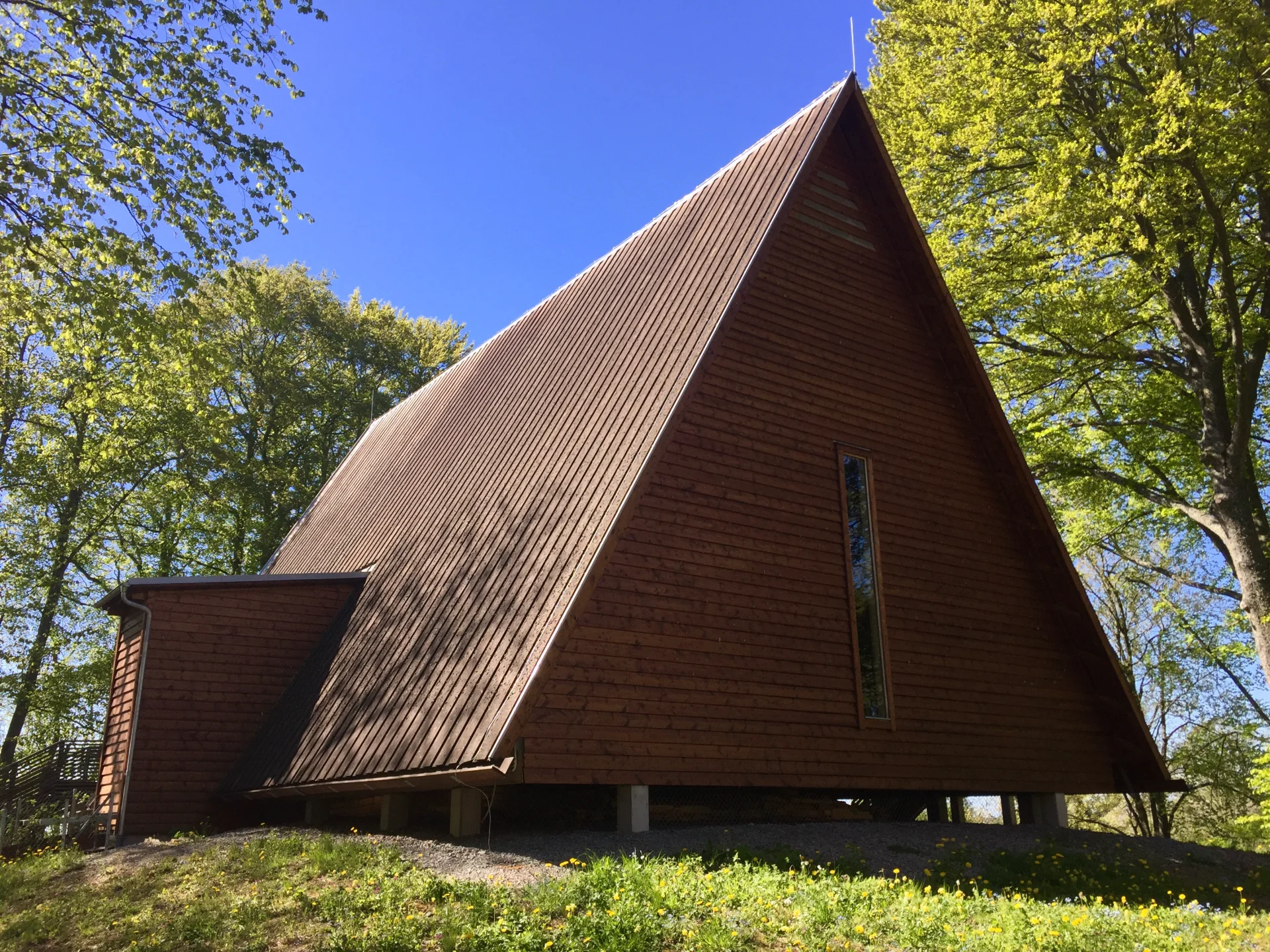
Located right next to Varnhem Abbey Church, you will find Kata gård. Here, archaeologists from Västergötland Museum and other institutions have conducted excavations that revealed an entirely new chapter of history in Västergötland. The findings tell a fascinating story of the era before the 12th century, when monks first settled and built the abbey in Varnhem.
THE TRANSITION FROM VIKING AGE TO MIDDLE AGES
As archaeologists began their work, it soon became clear that the site held a vital piece of the historical puzzle, particularly regarding the transition between the Viking Age and the Middle Ages—the period when Christianity first arrived in Västergötland.
The history of the site stretches back to the Iron Age, and numerous graves in the area testify to a long period of human settlement. However, the recent findings prove that Christian burials were being organised as early as the 10th century. This historical evidence has led to parts of Swedish and regional history being rewritten; it appears that people here lived as Christians for several generations before the famous baptism of King Olof Skötkonung in Husaby.
CHURCH RUINS
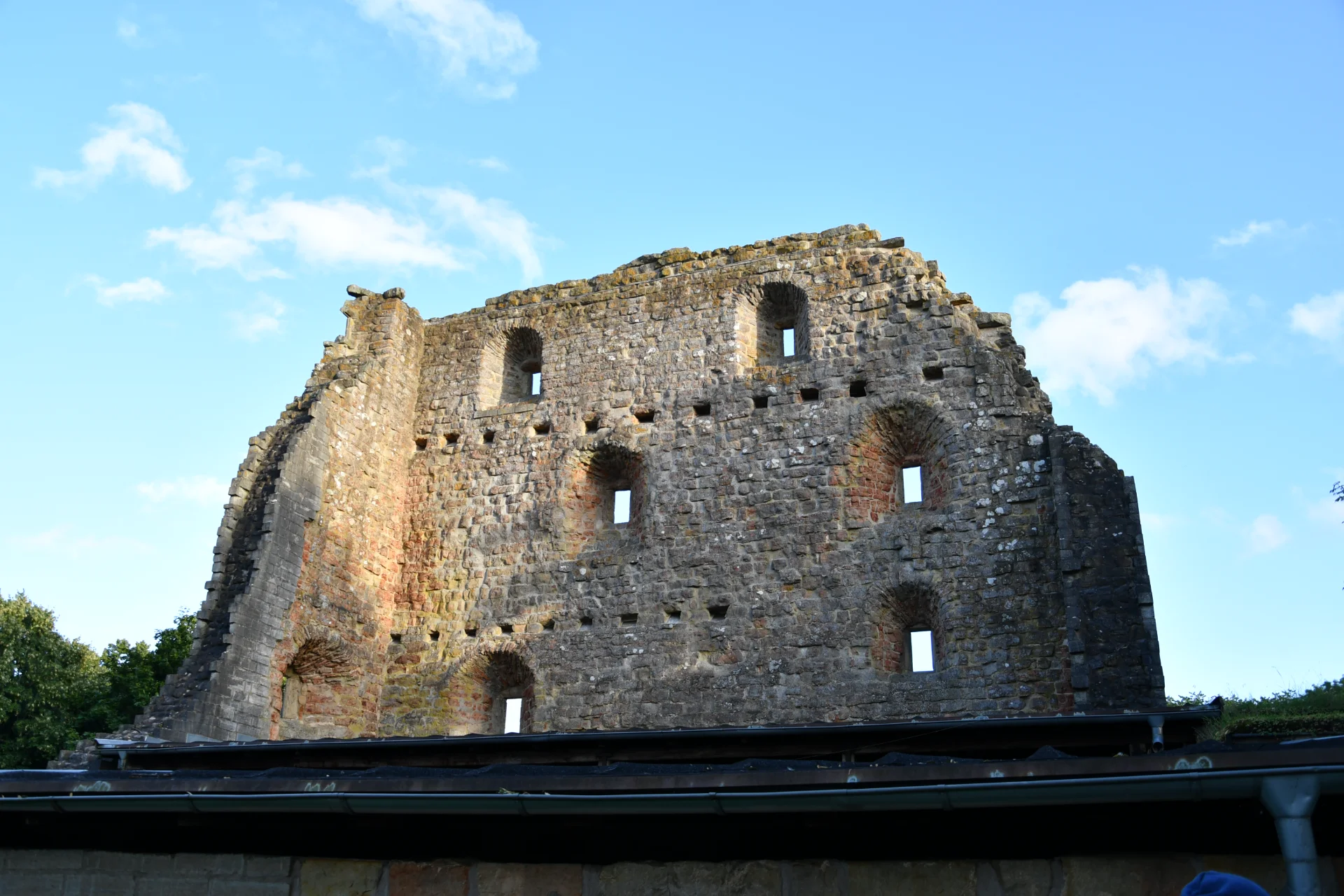
Among the discoveries, archaeologists unearthed a Viking Age estate church and its accompanying cemetery, dating back to the 900s. The remaining ruin is that of a stone church, though it is believed a wooden church stood on the spot prior to its construction. The church ruin also contains a crypt, which could potentially be the oldest preserved room in Sweden.
WHY IS THE SITE CALLED KATA GÅRD?
During the excavations, archaeologists found a particularly significant grave. It featured a beautiful grave slab inscribed with runes reading: ”Kättil made this stone after Kata, his wife, Torgils' sister.” This provided the names of the individuals who once lived on the estate.
The grave, featuring the stone slab and runic inscription, was located right next to the northern side of the church and consisted of a masonry chest made of limestone. The grave was dated to the mid-11th century. The artefacts found at the site indicate that the grave belonged to a person of great significance, influence, and power.
Kata was found to be 160 cm tall and was estimated to be between 30 and 35 years old at the time of her death in the first half of the 11th century. She is believed to have been the mistress of the great Varnhem estate. Today, the excavation site in Varnhem bears her name in her honour.
VISITING KATA GÅRD
While Varnhem Abbey Church and its ruins are a destination in their own right, visitors today can also explore an information centre and view the church ruins. The exhibition ”Christian Vikings in Varnhem” focuses on the church ruins and the crypt.
Kata gård is open from March (roughly when the cranes typically arrive at Lake Hornborga) until well into the autumn. At Västergötland Museum in Skara, a model of Kata and several of the archaeological finds are on display.
Good to know
On the map
The line shows a suggested driving route from Valle Camping.