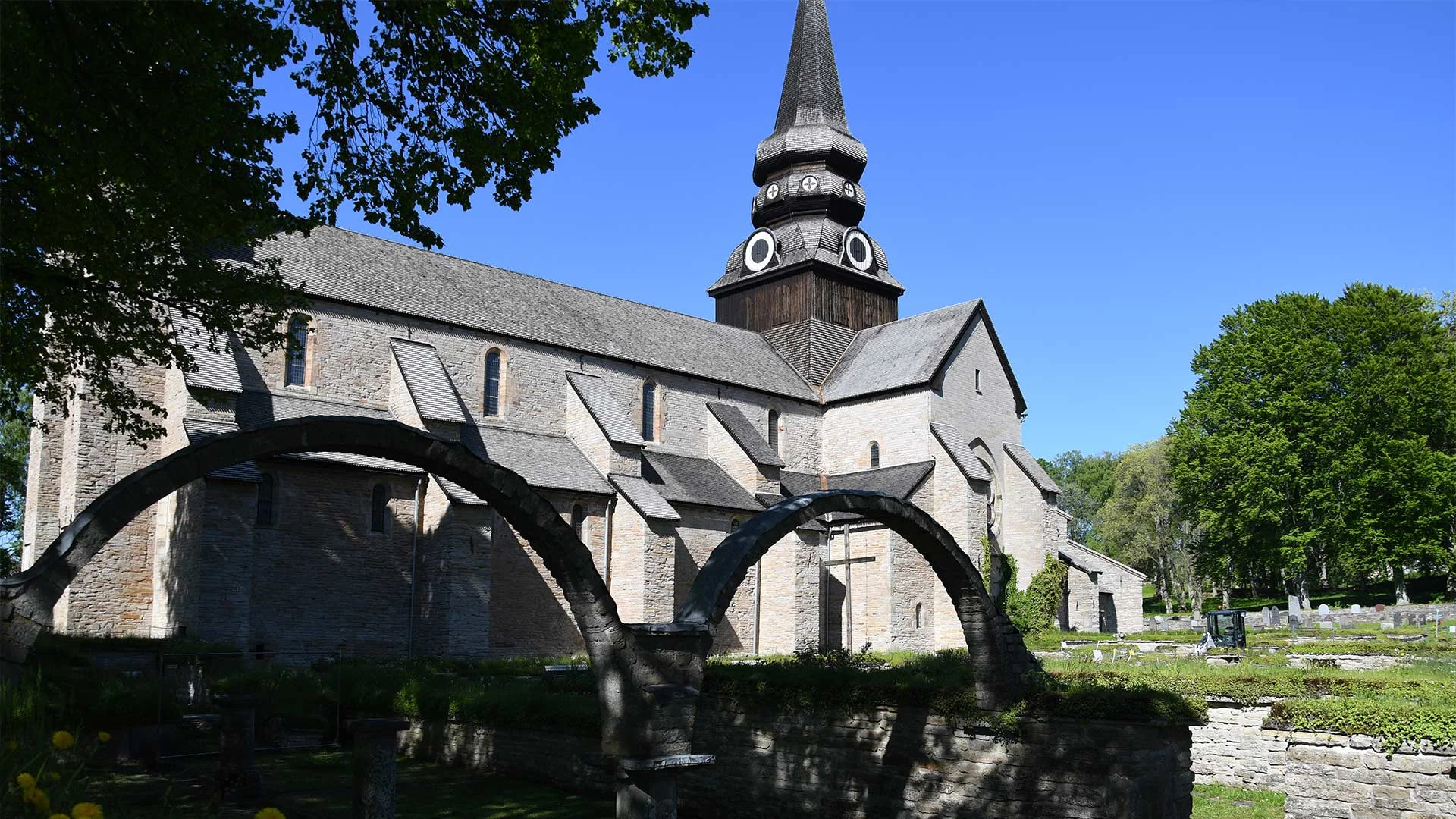
About Varnhem Abbey Ruins and Monastery Museum
The Story of the Cistercians' Varnhem
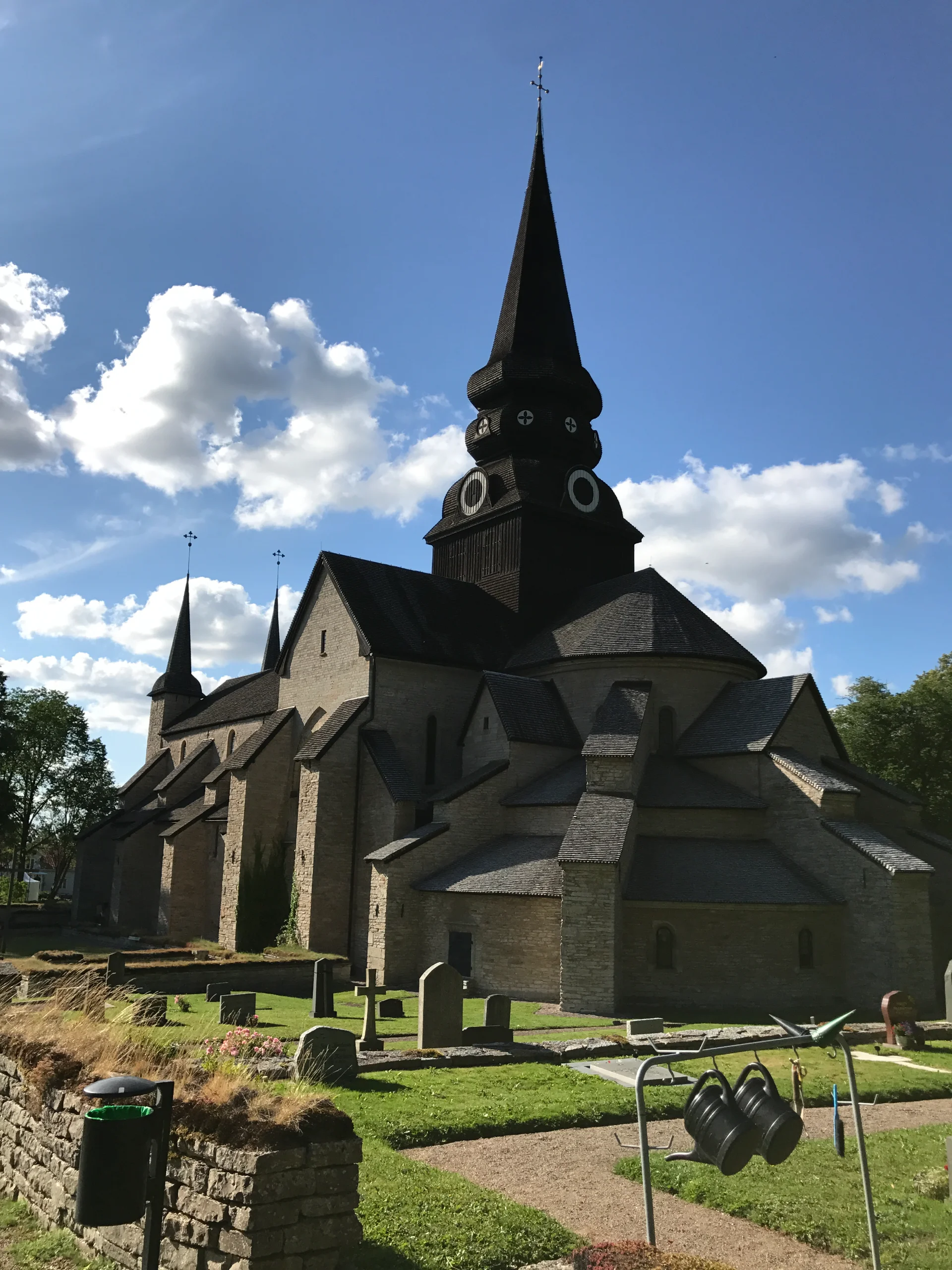
A visit to the Varnhems klosterruin offers a fascinating journey back to the Middle Ages. Here, you can explore the remains of the complex facility that once formed the foundation of the monastery's activities. By wandering between the preserved walls, you gain an understanding of how both spiritual and practical life was organised in one of the country's most important monastic areas.
The Importance of the Lay Brothers
A central part of the complex was the lay brothers' wing. The lay brothers were responsible for the monastery's worldly affairs, such as agriculture, construction, and crafts. In the ruins, one can still see traces of their daily life. The wing included a meeting hall that corresponded to the monks' chapter house, as well as workshops and storerooms. The upper floor housed the lay brothers' dormitory.
An interesting architectural feature is the southern room in the wing, where the monastery's masonry water channel runs straight through the floor. Historians believe that this space functioned as the monastery's sanitation facility, testifying to what was, for its time, a very advanced infrastructure.
The Cloister – The Heart of Communication
The rectangular cloister, also known as the Ambitus, connected the various parts of the monastery. This covered walkway, with its cross vaults and windows, faced the open monastery courtyard. The cloister was more than just a corridor; it held great liturgical significance and was used for processions. There were also fixed stone benches along the walls where the monks could sit. From the cloister, two separate entrances led to the church: a western one for the lay brothers and an eastern one for the choir monks.
The Kitchen and Early Engineering
The monastery kitchen was one of the most vital rooms and contains exciting details about the technology of the era. It featured the monastery's only heat source – a large fireplace. There are indications that the fireplace may have been connected to a so-called hypocaust system, where heated air was directed through channels to warm other parts of the building.
The kitchen was also equipped with an advanced water supply. Clean water was brought into the premises through lead pipes, and wastewater from the kitchen was carried away via a channel to the monastery's main drainage system. For those who wish to see concrete evidence of this medieval engineering, parts of these lead pipes are preserved and on display in the klostermuseum.
Good to know
On the map
The line shows a suggested driving route from Valle Camping.