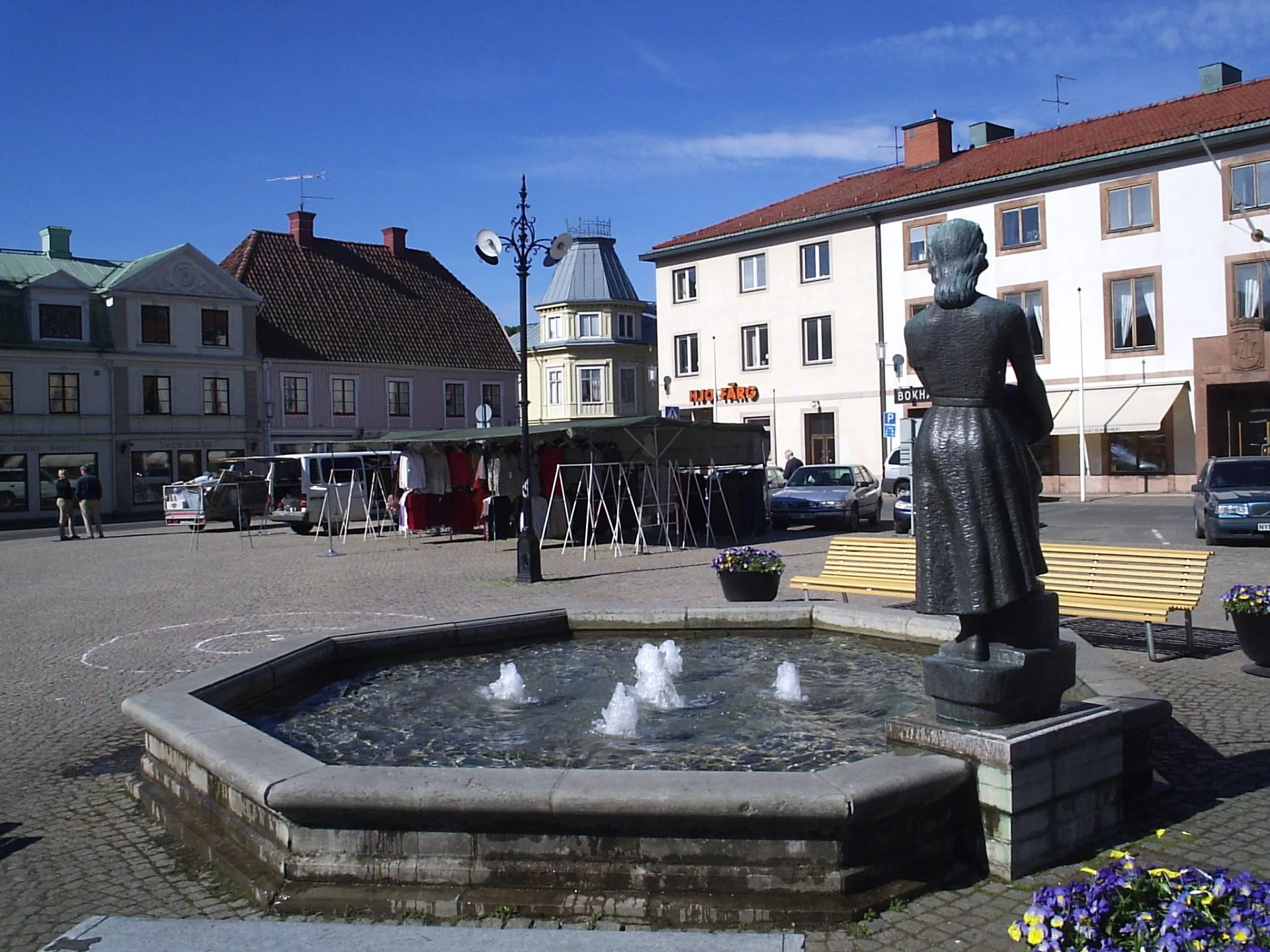
About The Wooden Town of Hjo
On the western shore of Lake Vättern lies one of Sweden's true cultural treasures. The wooden town of Hjo is not just a collection of beautiful buildings, but a living environment where the breath of history meets a peaceful and inviting everyday life. According to legend, the town received its name when exhausted monks landed after a stormy journey across the lake and exclaimed "Hic Jacet Otium" – here rests peace. Today, the serene atmosphere, decorative wooden facades, and lush courtyards are exactly what make visitors fall in love with the town time and time again.
About the Wooden Town of Hjo
The wooden town of Hjo is unique in its kind and has been awarded the prestigious Europa Nostra award for its well-preserved cultural heritage. Unlike many other historical environments, this is no museum building behind glass, but a place where people live and work in the midst of history. The cityscape has evolved since the Middle Ages and is characterised by charming architecture with ornate woodwork, lattice windows, and lush gardens tucked behind fences and gates.
Together with Nora and Eksjö, Hjo is part of the "Three Wooden Towns" network. Here, the small-scale wooden town structure has been successfully preserved, with its characteristic plot divisions and street layouts. The proximity to both the lively harbour and the beautiful City Park gives the town an open and airy feel that is especially noticeable during the summer months.
What characterises the architecture in Hjo?
What makes Hjo special are the many details. As you stroll along the streets, you can see fantastic examples of craftsmanship in the form of carved railings, profiled eaves, and decorative verandas. The colour palette of the houses and the carefully preserved details create a cohesive environment where every house contributes to the whole. Many of the most well-known buildings date from the 18th and 19th centuries, a time when both shipping and spa life flourished in the town.
How to best discover the town's hidden courtyards?
One of the most popular ways to get to know the town is through a guided city walk, which often starts from the Cultural Quarter (Kulturkvarteret). For those who wish to explore on their own, there are digital tours where QR codes on the walls tell the secrets of the buildings. For families, there is also a special child-friendly guide in the form of the city cat Cattus, who leads the way through the alleys and invites you to a playful historical adventure.
Tips for your visit to Hjo:
- Kulturkvarteret: A central point for information about city walks and local exhibitions.
- Hjo Stadspark: A green oasis with beautiful wooden pavilions reminiscent of the town's time as a health resort.
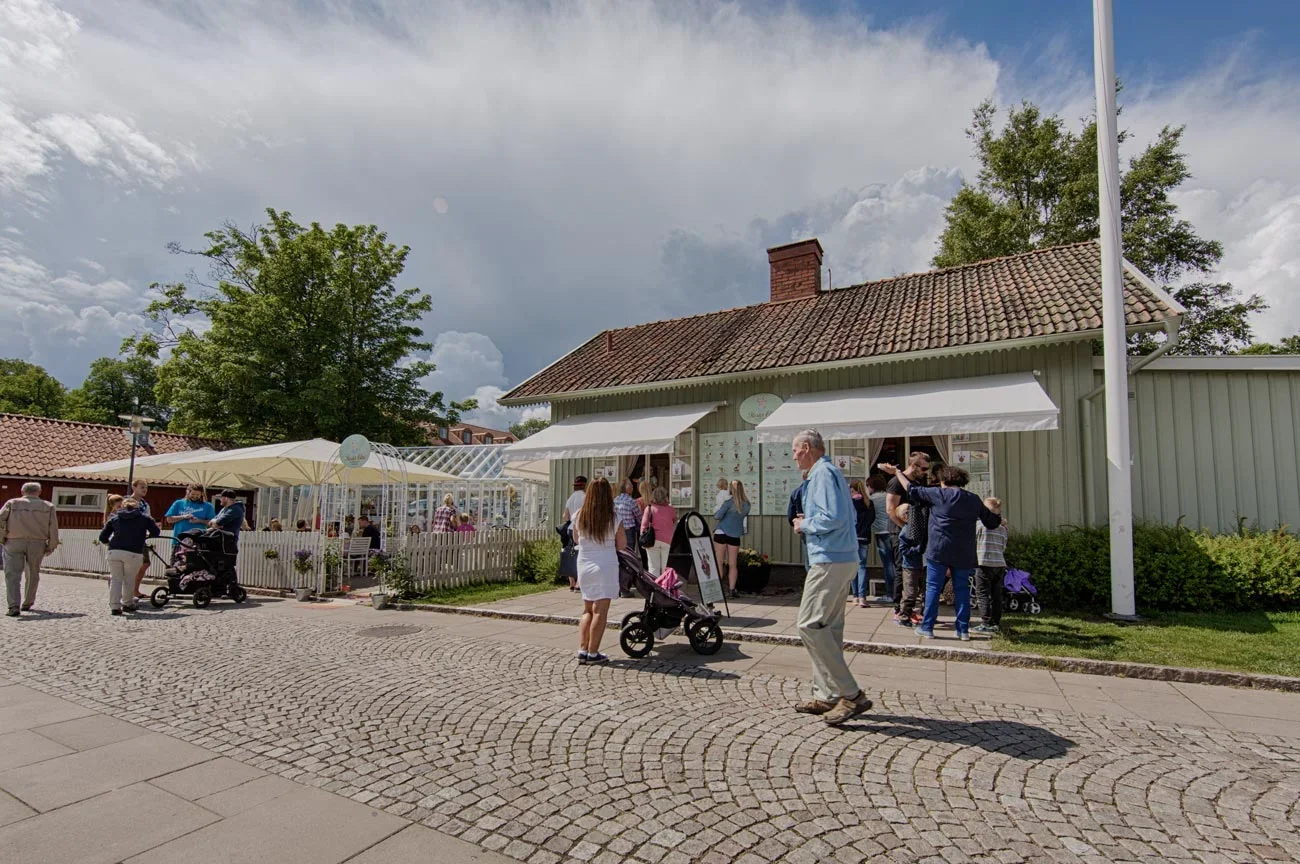
- The Harbour: Where the wooden town meets the open water, perfect for an ice cream break in the sun.
- Look up: Much of the most beautiful fretwork is located high up on eaves and balconies.
Practical Information
The wooden town of Hjo is best experienced on foot as the narrow streets and alleys are the very heart of the experience. There are parking spaces on the outskirts of the town centre and near the harbour, making it easy to park the car and walk into the historic quarters. The summer season is the most lively time with guided tours and an open harbour, but the town's beautiful wooden architecture is a worthwhile destination year-round for those who appreciate historical settings and architecture. The town is located in Hjo, beautifully situated along the edge of Lake Vättern.
Good to know
On the map
The line shows a suggested driving route from Valle Camping.